![Good [Thinking]](http://images.squarespace-cdn.com/content/v1/6977e83633860e6374e30cfb/25d88eeb-3dd2-4158-a242-cfa02f709861/logo.png?format=1500w)
Find the right learning or community platform, and get it running without the missteps.
Good Thinking helps organizations choose, configure, and launch the learning management system (LMS) or community platform that actually fits how they teach, train, or build their community.
Most platform choices go wrong for reasons that have nothing to do with the platform itself: unclear goals, an underestimated lift, or a tool that never fit the team using it. I help you get that groundwork right first, so the platform you land on is the one that delivers on your vision.
Is this you?
-
Picking a platform is not the first decision, it’s the output of previous decisions. When learning and community efforts struggle, it's usually not because the platform itself is the problem, it's because:
The goals weren't clear
The effort to build and maintain it was underestimated
The fit with the audience or organization was off
That's the groundwork most people skip, and exactly where we'll start. We'll get clear on what your audience needs and what your team can actually support, then use that to find the right platform: an LMS, a community platform, or blended platform. From there, I'll help configure it, build it out, and hand you documentation and training so your team can run it with sustainable effort.
-
There are, no joke, hundreds of platforms out there, LMSs and community tools alike. And hundreds of features to weigh. But there are really only a dozen decisions that narrow the field to a handful, and most of them aren't about the software itself.
I'll help you make those decisions and recommend the right platform, then prototype it so you can see it in action before you commit. All without you or your team spending months evaluating vendors. Or worse, picking the wrong one and losing months and spending lots of money before discovering it’s not the right fit…and starting over.
-
I'm an expert (and admitted geek) at pushing LMSs and community platforms to their full potential, and at building custom extensions when a platform hits its limits.
We'll get clear on where your current setup is coming up short, then figure out whether the fix is unlocking more from what you already have or moving to something new. Either way, you won't have to relive the platform research process solo.
About me
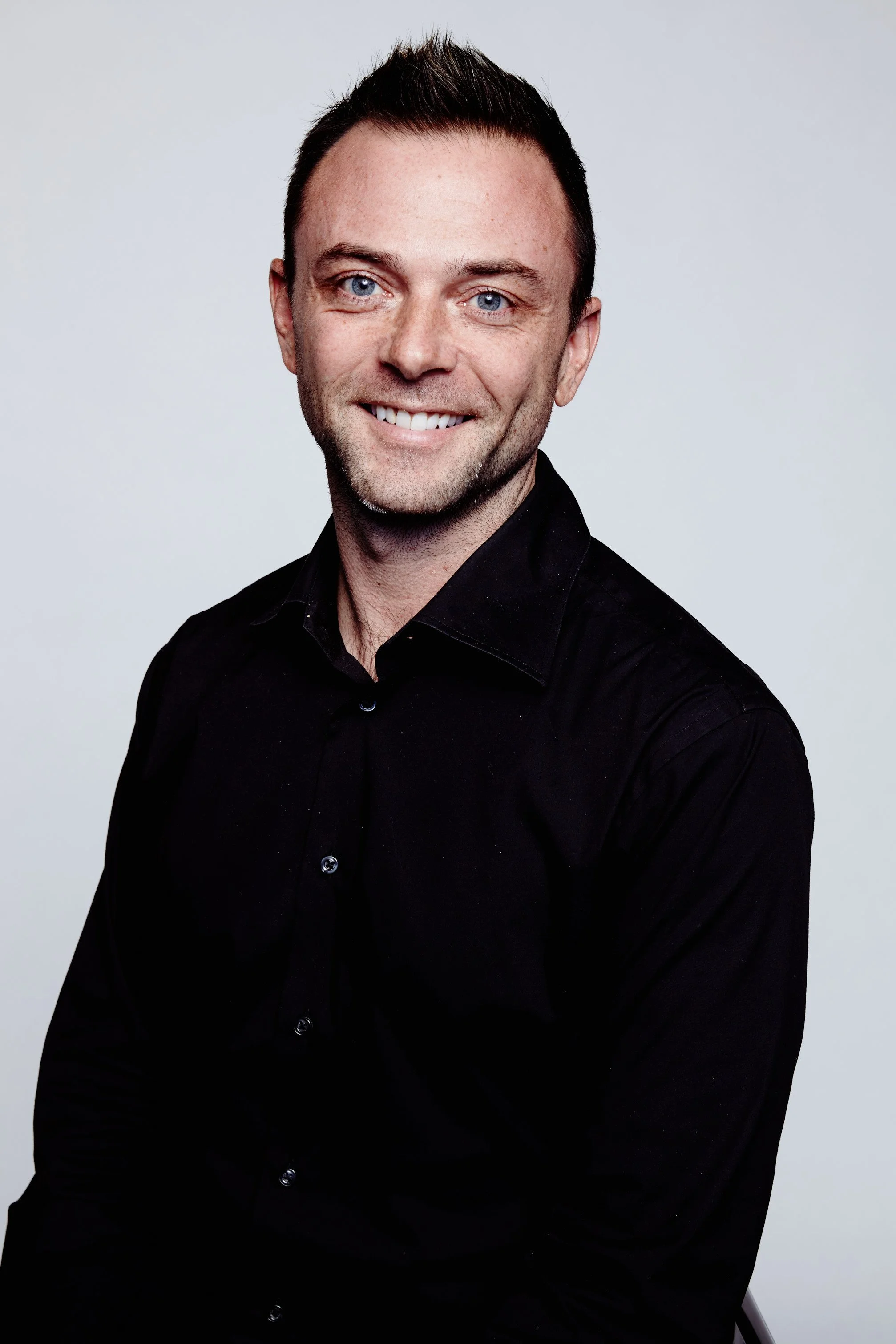
Hey there, I'm Dave Good. I help teams reduce risk, choose the right platform, and get it running well. Sometimes that's picking the right tool upfront, sometimes it's fixing what's already in place, sometimes it's building something custom.
My 15 years managing these projects for a variety of organizations (including IDEO, Weave at the Aspen Institute, and the Constructive Dialogue Institute — check out my LinkedIn for more) have given me a uniquely comprehensive skillset in learning, design, product, and technology, especially with Learning Management Systems (LMSs) and community platforms. This expertise isn't just high level, I'm equally comfortable setting platform strategy and obsessing over pixel-perfect lesson pages or member profiles.
All of this powers a comprehensive view of how to get the most out of a learning or community platform.
My approach
Most people come to me with a platform question: which LMS, which community tool, what's actually going to work. Answering that question correctly requires us to get clear on what you're building: who it's for and what they should get out of it. So that's where we start, even if it's not what you expected to talk about first.
The foundation of my approach is a 12-point Platform Blueprint that maps to 5 Platform Archetypes, used to point toward the right solution. This emphasizes:
Establishing goals first, then choosing tools that support them, rather than starting from feature lists
Making pragmatic choices your team can sustain, not systems that look impressive but are hard to run
Maximizing what a platform does well, and avoiding complexity unless there's a clear payoff
Adding small, targeted custom tools only when necessary, to remove real obstacles rather than introduce new ones
Designing for long-term operability, not just a successful launch, so your team can run and evolve things without constant outside help
The goal is to make the platform fade into the background, so it runs reliably and only demands the attention you choose to give it. Over time, I aim to make myself unnecessary.

Let’s work together in a way that works for you

-
What it is
A two-week sprint that includes:A discovery workshop or interviews
A platform requirements document (Platform Blueprint)
Best for
Turning a vague platform need into a concrete set of requirements
Preparing your team to evaluate LMS or community platform options
Getting a realistic read on what it'll take to build, launch, and support whatever you choose
Typical timeline
2 weeks
What you’ll have (Deliverables)
A Platform Blueprint defining structure, rigor, audience, and operational constraints
Explicit assumptions about staffing, timelines, and ongoing support
What this enables (Outcomes)
Confidence researching and evaluating platform options
Clarity on staffing and ownership before you commit to a platform
A clear starting point for content development and community structure
-
What it is
A two-week sprint that uses existing requirements to:Research LMSs or community platforms to identify and propose 2-3 strong candidates
Prototype one finalist to review the experience, content creation options, and admin tools
Negotiations assistance to determine the right tier of product and get the lowest price possible for it
This sprint assumes a vetted Platform Blueprint or equivalent requirements. If gaps are identified, a short alignment phase may be required before platform research begins
Best for
Turning your requirements into a confident platform choice
Typical timeline
2 weeks
What you'll have (Deliverables)
A platform decision and a prototype that gets you going on building it
What this enables (Outcomes)
A confident platform decision backed by hands-on experience
Early familiarity with how the platform will actually be used by admins and members
-
What it is
Development of your learning or community offering, including:Initial platform setup and configuration
Application of your existing Platform Blueprint or requirements
Translation of course materials or community structure into the platform
Style guide for creating consistency across the experience
Playbooks for developing and releasing new content or programming post-engagement
What it is not
Subject matter expertise or content developmentBest for
Implementing your requirements and content on your chosen platformTypical timeline:
1-3 months. Heavily dependent on the readiness and quantity of your content.What you'll have (Deliverables)
A supportable, launch-ready platform
Design guidelines and workbooks for maintaining it
An evaluation rubric to assess whether you're achieving your goals
What this enables (Outcomes)
Launching without overloading internal teams
A system your team can maintain and extend after launch
-
What it is
A collaborative review of where your current learning or community platform is missing the mark
An exploration of whether the existing platform can be made to work, through discovering unused features, creatively extending how existing features are used, or adding custom/external tools
Best for
Deciding whether your current system can deliver what you need, or if it's time to explore other options
Preparing to negotiate with your current provider around a (perhaps conditional) renewal
Typical timeline
2 weeks
What you'll have (Deliverables) An outline of both the untapped potential in the current platform and its hard limits, along with a recommendation on whether to continue using it or explore a switch
What this enables (Outcomes)
A stay-or-go decision on your existing platform
Negotiating renewals or upgrades with your current provider
-
What it is
On-call expertise and strategic guidance to pressure-test decisions, identify risks, and support internal teams navigating learning, community, and platform-related choices.What it is not
Hands-on implementation, platform configuration, or ownership of formal deliverables.Best for
Pushing your thinking to the next level
Validating (or challenging) your choices
Supporting your staff, who may be new to the ed tech or community platform industry
Typical timeline
3-6 months
What this enables (Outcomes)
Clearer judgment on high-stakes learning, community, and platform decisions
Fewer second guesses and late-stage reversals or rework
Frequently Asked Questions
-
I've identified a few different social venture and nonprofit archetypes (my 5 Cs) that are a strong fit for my work, whether their platform need is learning, community, or both:
The Chapter Network
National or regional orgs that need consistent training across semi-autonomous affiliates or chapters. Training is how they replicate culture and practice at scale, and a shared community platform is often how chapters stay connected between training cycles.The Cohort Educator
Orgs running time-bounded programs (fellows, interns, emerging leaders) who repeat a structured curriculum each cycle but haven't systematized it well. A community platform matters here too, giving each cohort a space to connect with each other and with alumni.The Constituent Trainer
Orgs that offer training to the people they serve (e.g., small business owners, borrowers, community members) as a direct expression of mission or a member benefit. Many pair training with a peer community space so constituents can support each other, not just consume content.The Capacity Builder
Funders and intermediaries that support grantee or partner orgs through training. It's their core strategy, not a side activity, and a community platform can connect grantees to each other across a portfolio, not just to the funder.The Career Builder
Associations and membership orgs that live in a professional niche and use training as the gateway to credentials or continuing education. For many, the community platform (not just the LMS) is the core member benefit and the reason people renew.
-
Every engagement is different. Different organizations are at different phases of knowing what they want and how to build it. We'll work together to define a clear scope and timeline that matches your goals.
-
I can help you find these services. During my fifteen years in online learning and community-building, I've built relationships with trusted partners to support clients with any part of the product life cycle, from design to development to launch to scale.
-
My many years in tech and my development background mean I can prototype small-scale learning and community tools and bring in senior developers to set them up for scale.
-
While I am a solo consulting practice, I have an extensive network of partners in the online learning and community platform industries who I can bring in to match your needs.
-
Because every engagement is tailored, pricing varies depending on the scope, duration, and level of involvement. I'm happy to provide a proposal once I understand your needs.
-
Yes, in fact it's better we talk now! There are many strategic decisions that are best made before you've created (or even started) your content or community effort. Getting the approach right leads to better decisions around technology, process, content, and support. Together, these are the difference between a project succeeding or failing.
-
My goal is to set you and your team up to manage your platform effectively without needing outside help, but I'm happy to provide ongoing support when it fits your needs.
-
The AI landscape changes daily, but what doesn't change is the right way to approach product development: identify a need, generate ideas for addressing it, and choose the right tools for doing so. One example could be helping your staff create and revise content faster, or helping community members find relevant discussions. If AI is the right tool for supporting your staff, learners, or members, we'll work to harness it.
-
Yes. Depending on how your organization is funded, your learning or community platform may need to meet Section 508 and/or ADA requirements, which govern how digital content must work for people with disabilities. These aren't just legal checkboxes, they affect platform selection, how content and community spaces are structured, and what your team needs to maintain over time.
I factor accessibility requirements into every phase of my work, from defining requirements to evaluating platforms to reviewing content.
What Clients are Saying
"Dave led our team through a complex LMS transition, where he captured technical requirements, identified relevant options, surfaced tradeoffs, and helped us make a thoughtful decision despite constraints. He then led the process of rebuilding our product on our new LMS in record time and managed our entire platform as a team of one for many months.
Through my years of working with Dave, he has consistently been hardworking, dedicated, and a wonderful colleague."
Caroline Mehl, Executive Director, Constructive Dialogue Institute
“Dave was instrumental in helping us design, implement, and launch an online community and learning center. He helped us clarify our goals for the learning program, evaluated platform options, and guided us on both strategy and day-to-day implementation. Throughout the process he was thoughtful, collaborative, and focused on practical solutions.
Then he set our team up for success by handing us a style guide and playbook that made us self-sufficient going forward. His ability to translate between strategy, product design, and technical implementation, including breaking down technical concepts, was invaluable.”
Maria, National nonprofit (name and organization withheld at client’s request)
“Dave has an incredible ability to help organizations get far more out of the LMS they already have, or to help them identify a new LMS and successfully move over. Instead of defaulting to expensive rebuilds or shiny new platforms, he squeezes every bit of value out of existing systems, especially for teams without massive budgets.
What sets Dave apart is how he prototypes his way forward. He takes complex, technical decisions and makes them understandable for non-technical stakeholders, then immediately starts building so you can see how it all works in real time. Content goes live quickly, ideas become tangible, and teams have tangible progress to react to instead of hand waving and long meetings.
Dave is deeply hardworking, highly creative, and a joy to collaborate with. He bridges to execution, helping teams move from overwhelm to confidence.”
Suzanne Howard, Partner & IDEO U Founder, IDEO
Ready to connect?
Whether you're in the early stages of picking a platform, trying to improve the one you have, or looking to replace it entirely, I can help. Schedule a free introductory meeting with me and we can talk through what you need and whether I'm a fit.
Not ready to schedule an intro call? Contact me using this form.